
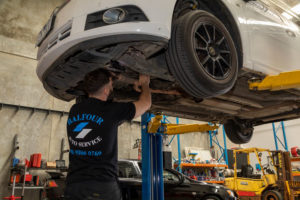
The Difference Between a Basic Service, Full Service and Logbook Service — Explained Simply

If you have ever booked your car in for a service and felt confused about which type you actually need, you are not alone. Walk into any workshop and you will likely see options listed on a board, including basic service, full service, logbook service, minor service, and major service, with very little explanation of what each one actually involves or who it is designed for. Understanding the difference is not just about knowing what you are paying for. It directly affects your vehicle’s warranty, reliability, resale value, and long-term running costs. For drivers looking for a trusted car service in Sunshine North, knowing which service your vehicle needs before you book will save you time, money, and frustration.

What Is a Basic Service?

A basic service, sometimes called a minor service, is the most straightforward and affordable type of car service available. It is designed for vehicles that are regularly maintained and simply need routine attention between more comprehensive services. Think of it as the equivalent of a health check-up rather than a full medical examination.

A standard basic service typically includes an engine oil and oil filter replacement, a tyre pressure check and adjustment, a top-up of essential fluids such as coolant, brake fluid, power steering fluid, and windscreen washer fluid, a visual check of the brakes, a battery condition check, and a general safety inspection to flag any obvious concerns.

What a basic service does not include is a deep inspection of all major mechanical systems, replacement of additional filters such as the air filter or cabin filter, or any work relating to your vehicle’s manufacturer-recommended service schedule. It is a maintenance top-up, not a comprehensive assessment.

A basic service is suitable for vehicles that are already well maintained and are being serviced regularly. If your car has not been serviced in a long time, has higher mileage, or is showing signs of wear or performance changes, a basic service is unlikely to address the underlying issues adequately.

What Is a Full Service?

A full service, also referred to as a major service, is a significantly more comprehensive assessment and maintenance procedure that covers all the elements of a basic service and goes considerably further. It is recommended for vehicles that are older, have higher mileage, have not been serviced recently, or where the driver wants the most thorough level of attention possible.

In addition to everything included in a basic service, a full service typically covers a full brake system inspection including pad thickness measurement, rotor condition assessment, and caliper operation check, an air filter replacement, a cabin filter inspection and replacement, a spark plug check and replacement where required, an inspection of all belts including the timing belt or chain where accessible, a steering and suspension check covering bushings, ball joints, and shock absorber condition, an exhaust system inspection, a battery load test, a coolant system check including hose condition and thermostat operation, and a road test to assess overall vehicle performance and drivability.

A full service gives you the most complete picture of your vehicle’s current mechanical health and is the right choice when you want genuine peace of mind about the condition of your car. Our mechanics at Balfour Auto Service always carry out a thorough full service inspection and communicate every finding clearly and honestly before any additional work is recommended.

What Is a Logbook Service?

This is where many drivers get confused, and it is an important distinction to understand clearly. A logbook service is not simply a more expensive version of a full service. It is an entirely different type of service that is specifically tied to your vehicle’s manufacturer-recommended maintenance schedule.

When you purchase a new vehicle, the manufacturer provides a logbook that outlines exactly what needs to be inspected, adjusted, replaced, or serviced at each scheduled interval, typically based on a combination of time elapsed and kilometres travelled. This schedule is based on extensive engineering testing and is specific to your vehicle’s make, model, and engine type. Following this schedule precisely is what keeps your manufacturer’s warranty valid.

A logbook service is completed strictly in accordance with these manufacturer specifications. That means the correct grade of engine oil is used, not just any oil that fits the engine. The correct oil filter, air filter, cabin filter, and spark plugs are used. Every item on the manufacturer’s checklist for that specific service interval is completed, inspected, and documented. Once all the work has been carried out, your logbook is officially stamped and signed by a qualified mechanic, creating a verifiable service history that protects your warranty, your vehicle’s long-term value, and your peace of mind.

One of the most common myths around logbook servicing is that it must be done at the dealership. This is not the case. Under Australian Consumer Law, any authorised independent mechanic can carry out your logbook service using the correct parts and fluids and stamp your logbook accordingly without affecting your warranty in any way. At Balfour Auto Service, we carry out logbook services for all makes and models at each scheduled interval, including European vehicles with more specific servicing requirements, and we stamp and sign your logbook as official confirmation that every required item has been completed correctly.

How to Know Which Service You Need

Choosing the right service depends on a few key factors:

Is your vehicle still under a new car warranty?

If yes, you need a logbook service at each manufacturer-recommended interval. This is the only service type that protects your warranty.

Is your vehicle out of warranty but regularly maintained?

A basic service at each interval with a full service every second visit is a sensible and cost-effective approach for most vehicles.

Is your vehicle older, higher mileage, or overdue for a service?

A full service is the right starting point. It gives your mechanic the opportunity to assess the true condition of the vehicle and flag anything that   needs attention.

Have you recently purchased a used vehicle?

A full service, or better yet, a pre-purchase inspection before you buy, is strongly recommended to establish a clear baseline understanding of    the vehicle’s mechanical condition before you commit to ongoing maintenance.

If you are genuinely unsure which service your vehicle needs, our team is always happy to look up your vehicle’s logbook requirements and make an honest recommendation based on its age, mileage, and service history.

Does It Matter Which Oil Is Used?

Yes, and this is one of the most commonly overlooked differences between service types. A logbook service requires the specific oil grade recommended by the manufacturer for your vehicle. Using the wrong grade can affect engine performance, reduce fuel efficiency, and in some cases void your warranty if it can be demonstrated that incorrect products were used.

At our workshop, we always check the manufacturer’s specification for your vehicle before selecting any oil or fluid, regardless of the service type being carried out. We never use a generic substitute when a specific product is required.

Book Your Car Service in Sunshine North Today

Whether you need a basic service to keep your daily driver running well, a full service to get a thorough picture of your vehicle’s health, or a logbook service to protect your warranty and maintain your car’s long-term value, the team at Balfour Auto Service is here to help.

We service all makes and models including Toyota, Mazda, Honda, Holden, Ford, Hyundai, Kia, Subaru, Volkswagen, BMW, Mercedes-Benz, Audi, Volvo, Peugeot, Saab, and Citroen — and we always use the correct parts, fluids, and procedures for your specific vehicle.

Call us today on (03) 9366 0769 or visit us at 56 Balfour Ave, Sunshine North VIC 3020. You can also book online. Our team will make sure your vehicle gets exactly the service it needs, honestly, thoroughly, and at a price that makes sense.

What Does a Roadworthy Certificate Actually Check in Victoria?

If you have ever sold a car, transferred registration, or been pulled over with a defect notice, you have likely come across the term roadworthy certificate. Most Victorian drivers know they need one at some point — but very few actually understand what it involves, what it covers, and critically, what it does not cover. Understanding the roadworthy certificate process properly can save you from failed inspections, unexpected repair costs, and the frustration of delays when you are trying to sell or re-register a vehicle.

Whether you are preparing your car for sale, responding to a defect notice, or re-registering an unregistered vehicle, finding reliable mechanics in Sunshine North who are licensed to carry out roadworthy inspections is the first step. Not every workshop is authorised to issue a roadworthy certificate in Victoria — only licensed vehicle testers approved by VicRoads can carry out the inspection and issue the certificate. Our team at Balfour Auto Service holds the relevant licensing and carries out roadworthy inspections for all vehicle types across Melbourne’s western suburbs.

What Is a Roadworthy Certificate and When Do You Need One?

A roadworthy certificate — officially known as a Certificate of Roadworthiness in Victoria — is a formal document issued by a licensed vehicle tester confirming that a vehicle meets the minimum safety standards required to be on Victorian roads at the time of inspection.

In Victoria, a roadworthy certificate is legally required in the following situations:

  • When selling a registered vehicle — the seller is responsible for providing a valid roadworthy certificate to the buyer
  • When transferring vehicle registration to a new owner
  • When re-registering a vehicle that has been unregistered for more than three months
  • When clearing a vehicle defect notice issued by Victoria Police

It is important to understand that a roadworthy certificate is not the same as a full mechanical inspection. It confirms the vehicle is safe to be on the road at that specific point in time — it does not guarantee the overall mechanical health or longevity of the vehicle. A pre-purchase inspection is a far more comprehensive assessment for buyers who want to understand the true condition of a vehicle before committing to a purchase.

What Does the Roadworthy Inspection Actually Check?

Victoria’s roadworthy inspection follows a standardised checklist set by VicRoads covering all safety-critical systems and components of the vehicle. Here is a detailed breakdown of what our licensed testers inspect:

Brakes

The braking system is one of the most closely examined areas during a roadworthy inspection. Our testers check brake pad and shoe thickness across all wheels, rotor and drum condition for scoring or excessive wear, brake fluid condition and hydraulic integrity, caliper and wheel cylinder operation, handbrake function and adjustment, and brake lines and hoses for deterioration or leaks. Any brake component that does not meet the minimum safety standard will result in a fail.

Steering and Suspension

We inspect all steering components for excessive play, wear, or damage — including the steering rack, tie rods, and steering column. The suspension system is checked for worn or damaged shock absorbers, springs, bushings, and ball joints. Excessive movement or deterioration in any of these components affects vehicle handling and constitutes a roadworthy failure.

Tyres and Wheels

All four tyres are inspected for minimum legal tread depth — which in Victoria is 1.5mm across the full width of the tyre — as well as sidewall condition, visible damage, and correct fitment. Wheel condition is also assessed for damage or cracking that could compromise safety.

Lights and Electrical Safety Items

Every external light on the vehicle must be functioning correctly. This includes headlights on both low and high beam, tail lights, brake lights, indicators front and rear, hazard lights, reverse lights, and number plate illumination. Any non-functioning globe or damaged lens assembly will result in a fail.

Windscreen and Glazing

The windscreen is inspected for chips, cracks, or damage that falls within the driver’s line of sight. Significant chips or cracks — particularly those that impair visibility or are likely to spread — will result in a failure. All other glass including side windows and the rear windscreen is also checked for damage.

Windscreen Wipers and Washers

Both wiper blades must clear the windscreen effectively without streaking or skipping. The washer system must operate correctly. Worn or perished wiper blades are one of the most commonly failed items during roadworthy inspections and are also one of the cheapest and quickest to fix.

Seats and Seatbelts

All seats must be securely mounted to the vehicle floor. Every seatbelt must retract correctly, lock under sudden force, and show no signs of fraying, cutting, or damage to the webbing. A seatbelt that does not function correctly is an immediate fail — this is a non-negotiable safety item.

Body and Chassis

The vehicle’s body and chassis are inspected for sharp edges that could cause injury, excessive corrosion that compromises structural integrity, and damage to the firewall or floor that could allow exhaust gases to enter the cabin. Visible accident damage that has not been properly repaired may also result in a failure.

Engine and Underbody

While the roadworthy inspection is not a full mechanical assessment, the engine bay and underbody are checked for significant oil or fluid leaks, exhaust system condition and security, and any visible damage that could pose a safety risk.

What Happens If Your Car Fails a Roadworthy Inspection?

A roadworthy failure is not the end of the road. If your vehicle does not pass the initial inspection, our testers will provide you with a clear written list of every item that failed and why. You then have the option to have the required repairs carried out — either at our workshop or elsewhere — and return for a re-inspection.

In Victoria, if repairs are completed and the vehicle is re-inspected within a set timeframe at the same licensed tester, only the failed items need to be re-checked rather than the full inspection being repeated. This saves time and reduces the cost of getting your vehicle to roadworthy standard.

The most commonly failed items we see are brake pads worn below minimum thickness, tyres with insufficient tread depth, non-functioning lights, and worn wiper blades. Many of these are straightforward, affordable fixes — and our team can carry out the repairs immediately and re-inspect the vehicle on the same day in most cases.

What a Roadworthy Certificate Does Not Cover

This is one of the most important things for Victorian drivers to understand. A roadworthy certificate confirms the vehicle is safe at the time of inspection — it is not a guarantee of the vehicle’s overall mechanical condition, reliability, or remaining service life.

A vehicle can pass a roadworthy inspection and still have significant mechanical issues — a worn clutch, a tired automatic transmission, a failing water pump, or an engine that is approaching the end of its life. None of these items are assessed during a roadworthy inspection because they do not directly relate to immediate road safety.

This is why buyers of used vehicles should always request both a valid roadworthy certificate and an independent pre-purchase inspection. The roadworthy tells you the vehicle is safe to drive. The pre-purchase inspection tells you the full story about what you are buying.

Book Your Roadworthy Certificate in Sunshine North

For a fast, thorough, and fairly priced roadworthy certificate inspection across all vehicle makes and models, contact the team at Balfour Auto Service today. We are a licensed vehicle tester serving Sunshine North and Melbourne’s western suburbs including St Albans, Albion, Footscray, Keilor East, Avondale Heights, and Deer Park.

Call us on (03) 9366 0769 or visit us at 56 Balfour Ave, Sunshine North VIC 3020. You can also book online. We will get your vehicle inspected promptly and have your roadworthy certificate issued the same day wherever possible.

Logbook Servicing vs. Regular Servicing: What’s the Difference?

When it comes to maintaining your vehicle, you’ll often encounter two terms: logbook servicing and regular servicing. While both aim to keep your car in optimal condition, they differ significantly in scope and purpose. Understanding these distinctions is crucial for ensuring your vehicle’s longevity, maintaining its warranty and maximising its resale value.

Understanding Logbook Servicing

Log book service in Sunshine North adheres strictly to the manufacturer’s recommended service schedule outlined in your vehicle’s logbook. This schedule is meticulously designed by the car manufacturer based on extensive research and testing. It specifies the precise intervals for various maintenance tasks, including oil changes, filter replacements, fluid checks, brake inspections and more.

Key Characteristics of Logbook Servicing

  • Manufacturer’s Specifications: Logbook service in Sunshine strictly follows the manufacturer’s guidelines, ensuring your car receives the exact maintenance it needs at the specified intervals.
  • Warranty Compliance: Adhering to logbook servicing is often a requirement for maintaining your vehicle’s manufacturer warranty. Skipping or deviating from the schedule can void your warranty, leaving you responsible for potentially costly repairs.
  • Comprehensive Checks: Logbook services typically involve a comprehensive inspection of various vehicle components, ensuring all systems are functioning correctly.
  • Genuine Parts: Many logbook services, especially those performed by authorised dealerships, emphasise the use of genuine manufacturer parts. This ensures compatibility and optimal performance.
  • Detailed Records: Logbook services are meticulously recorded in your vehicle’s logbook, providing a detailed history of your car’s maintenance. This can be invaluable when selling your vehicle, as it demonstrates a commitment to proper care.

Understanding Regular Servicing

Car service in Sunshine, on the other hand, is a more flexible approach to vehicle maintenance. It typically involves basic maintenance tasks, such as oil changes, filter replacements, and general inspections, performed at intervals determined by the mechanic or the vehicle owner.

Key Characteristics of Regular Servicing

  • Flexibility: Regular servicing offers more flexibility in terms of service intervals and tasks performed.
  • Cost-Effectiveness: Regular services are often less expensive than logbook services, as they may not involve as many comprehensive checks or the use of genuine parts.
  • Basic Maintenance: Regular services typically focus on essential maintenance tasks to keep the vehicle running smoothly.
  • Mechanic’s Recommendations: The tasks performed during a regular service may be based on the mechanic’s recommendations or the owner’s preferences.
  • No Warranty Impact (Usually): Regular servicing generally doesn’t impact your vehicle’s warranty, unless it involves neglecting essential maintenance tasks that lead to component failures.

Key Differences Summarised

  • Schedule: Logbook servicing adheres to the manufacturer’s schedule, while regular servicing is more flexible.
  • Warranty: Logbook servicing is essential for maintaining your warranty, while regular servicing usually doesn’t impact it.
  • Scope: Logbook servicing is more comprehensive, while regular servicing focuses on basic maintenance.
  • Parts: Logbook servicing often emphasises genuine parts, while regular servicing may use aftermarket parts.
  • Cost: Logbook servicing is typically more expensive than regular servicing.
  • Record Keeping: Logbook servicing provides a detailed service history. Regular servicing may not.

How Often Should I Get My Logbook Service?

The frequency of your logbook service is determined by your vehicle’s manufacturer. It is crucial to consult your vehicle’s logbook for the specific service intervals. These intervals are typically based on mileage or time, whichever comes first. Common intervals include every 10,000 to 15,000 kilometers or every 12 months. However, driving conditions can necessitate more frequent servicing.

The decision between logbook servicing and car service in St. Albans depends on your individual needs and circumstances. If your vehicle is still under warranty, logbook servicing is generally recommended to maintain your coverage. If your vehicle is out of warranty and you’re looking for a more affordable option, regular servicing may be sufficient.

Whether you are looking for logbook service or roadworthy certificate in Sunshine, you can count on Balfour Auto Service. Call us today at (03) 9366 0769 to schedule your appointment at a time that suits you. We’re committed to providing reliable service and ensuring your vehicle’s safety.

Expert Care for Your Ride: Top-Notch Service for Every Car Brand

When it comes to maintaining your vehicle in top-notch condition, finding a car service centre that offers expert care irrespective of the car brand can make all the difference. This comprehensive guide will explore what makes a top-notch service provider stand out, ensuring that no matter what brand of car you drive—from the rugged Australian favourites to luxurious European models—you receive the highest standard of care.

Understanding Car Service Excellence

  • A Universal Approach to Quality

Top-tier car service centres are equipped to handle a variety of car brands with the same level of expertise and precision. Whether you drive a robust Ford, a sleek Mercedes-Benz, or an eco-friendly Toyota, the right mechanic in Sunshine North will have the knowledge and tools to cater to your specific needs. This universal approach ensures that every customer receives quality service regardless of their vehicle’s make and model.

  • Staying Ahead with Advanced Training

The automotive industry is continually evolving, with new technologies and complex electronics being integrated into modern vehicles. High-quality service centres invest in ongoing training for their mechanics, ensuring they are up-to-date with the latest advancements and service techniques. This commitment to professional development means that your car will always be in knowledgeable hands.

Comprehensive Service Offerings

  • Routine Maintenance and Logbook Service

Regular maintenance is the backbone of car care. Whether it’s changing the oil, checking tyre pressure, or replacing brake pads, these routine tasks ensure your vehicle performs optimally. Furthermore, adhering to the logbook service as per the manufacturer’s guidelines not only keeps your car in pristine condition but also preserves its warranty and resale value.

  • Specialised Repairs and Diagnostics

Top-notch service centres are not just about maintenance; they excel in complex diagnostics and specialised repairs. Using state-of-the-art diagnostic tools, skilled mechanics can quickly identify issues and rectify them with precision. Whether it is engine problems, electrical faults or transmission troubles, a well-equipped service centre will handle it efficiently.

  • Roadworthy Certificates and Safety Inspections

Safety is paramount, and ensuring your vehicle meets the Australian safety standards is essential. Reliable service providers conduct thorough inspections and issue Roadworthy Certificates (RWC), confirming that your vehicle is fit to drive. This process involves checking various safety components like lights, tyres, brakes and steering systems.

Choosing the Right Service Centre

  • Location and Accessibility

The convenience of location is significant when choosing a service provider. A centrally located service centre with easy access can save you time and hassle, especially when you need regular services or immediate repairs.

  • Transparency and Customer Service

The best car service centres are known for their transparency and excellent customer service. They provide clear, detailed explanations of the work needed and ensure you understand the costs involved. Good communication builds trust and ensures you feel confident in the services provided.

  • Competitive Pricing and Value for Money

While price shouldn’t be the only factor, competitive pricing and clear value for money are essential considerations. The best service providers offer transparent pricing models without compromising on the quality of parts and services.

  • Satisfied Customers Speak Volumes

Before choosing a service centre, look at customer testimonials and reviews. Positive feedback from other car owners can provide insights into the reliability and efficiency of the services offered.

  • Community Engagement

Top service centres often engage with their community, providing not just services but also advice and support through workshops, car care tips, and more. This engagement shows a commitment to not just business but also to contributing to the welfare of the car owner community.

If you are based in Sunshine North and looking for a trusted car service centre, look no further than Balfour Auto Service. With many years of experience in the industry, we are able to provide Audi Service Melbourne, BMW Service Melbourne, Citroen Service Melbourne, Mercedes Benz Service Melbourne, Peugeot Service Melbourne, Saab Service Melbourne, Volkswagen Service Melbourne and Volvo Service Melbourne. Whether you are due for routine maintenance, in need of a complex repair or require a roadworthy certificate, call (03) 9366 0769 and schedule an appointment with us today. We assure you that your car receives the best possible care.

What Are The Steps Involved In Obtaining A Roadworthy Certificate?

Have you just bought a used car? Then, you might hear the term called “Roadworthy Certificate” a thousand times. When it comes to maintaining the safety and compliance of your vehicle, obtaining a Roadworthy Certificate Sunshine North (RWC)  is a crucial step. Balfour Auto Service, your trusted car service provider, outlines the essential steps involved in securing an RWC for your vehicle. This certificate ensures your car is safe to drive and meets legal requirements for selling or re-registering a vehicle.

Initial Assessment

Book an Appointment

The first step is to book an appointment with a licensed car mechanic or auto service provider, like us. It’s important to choose a reputable service that offers comprehensive car repairs, logbook service, and pre-purchase vehicle inspections.

Vehicle Inspection

An in-depth inspection is conducted by our qualified car mechanic. The inspection covers safety components such as brakes, tyres, lights, suspension, and steering. The goal is to identify any issues that could compromise the vehicle’s safety or performance on the road.


Repair and Re-inspection

Addressing Repairs

If the vehicle fails the initial inspection, you must undertake necessary car repairs. This could range from minor fixes to more significant repairs. Our expert car mechanic provides car services to address any issues identified during the inspection.

Follow-Up Inspection

Once repairs are completed, a follow-up inspection is necessary to ensure all safety concerns have been adequately addressed. This step is crucial for obtaining the RWC.


Certification

Obtaining the Certificate

After passing the inspection, the vehicle is issued a roadworthy certificate. This document is vital for proving the vehicle’s compliance with safety standards.

Getting a roadworthy certificate is a simple process that involves a detailed vehicle inspection, necessary repairs, and a follow-up check to ensure compliance with safety standards. You can trust our team at Balfour Auto Service for your car service needs, from obtaining an RWC to logbook servicing and pre-purchase vehicle inspections. Remember, a roadworthy certificate not only signifies your commitment to road safety but is also a key requirement for vehicle transactions. To get roadworthy inspections for your used car, call us at (03) 9366 0769 today.